

How to Reduce Expression Lines
How to Reduce Expression Lines: Causes and Effective Skincare

Why do some women notice their first expression lines as early as 20, while others see no signs of them until their thirties? Genetics is the obvious answer — but the truth is far more nuanced, and far more manageable. Your skin type, daily routine, lifestyle, and the ingredients in the products you use all play a role in how early and how deeply expression lines develop.
The good news: expression lines can be treated — and the earlier you start, the better. Before rushing to a cosmetologist for injections, it's worth understanding what's actually happening in your skin and which ingredients it needs most.
What Are Expression Lines and How Do They Differ From Age-Related Wrinkles
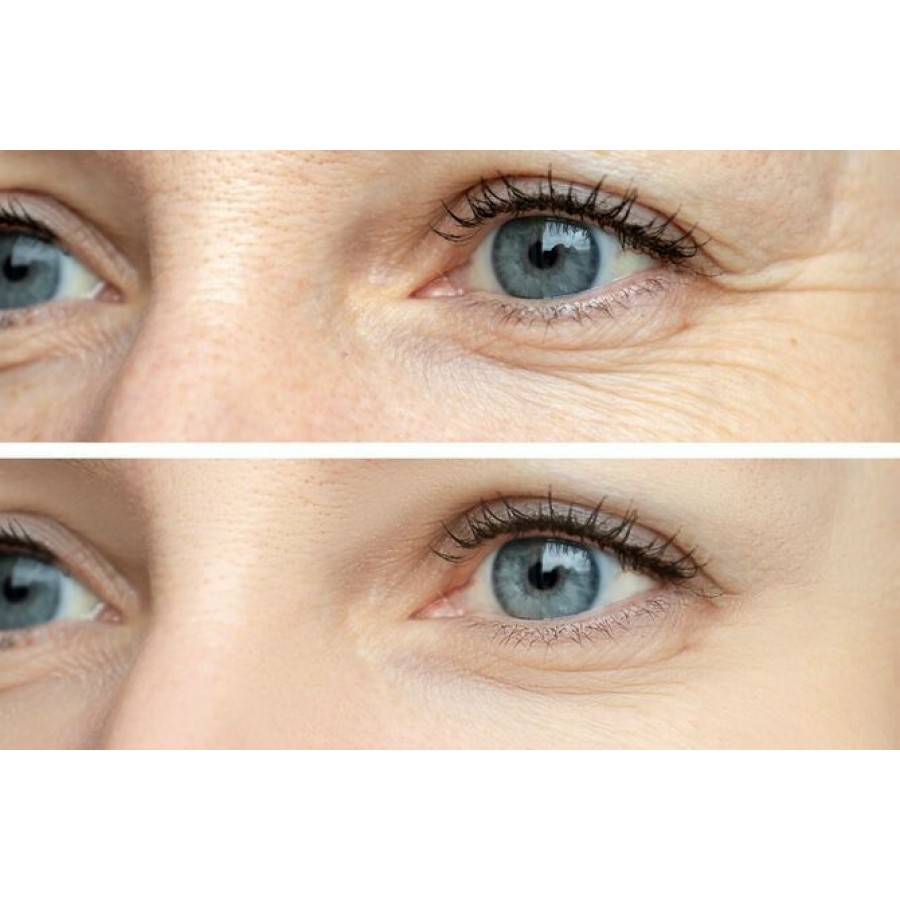
Expression lines are shallow folds in the skin that form where it bends most frequently during facial movement. The fine lines around your eyes, across your forehead, between your brows, and at the corners of your mouth — all are the result of thousands of micro-movements we make every day without realising it.
Unlike age-related wrinkles, expression lines are thin and superficial. They appear as barely visible creases on a relaxed face and tend to smooth out or become less noticeable when the skin is well-hydrated and firm.
Age-related wrinkles are the next stage. They develop from expression lines when facial muscles are chronically tense and the skin gradually loses collagen, elastin, and its ability to retain moisture. These deeper wrinkles remain visible even when the face is completely relaxed — and that is the key distinction between the two types.
The earlier you establish a proper skincare routine, the better your chances of slowing the transition from surface expression lines to deeper, permanent creases.
What Causes Expression Lines to Form and Deepen
Understanding the causes is already half the solution. Expression lines appear and deepen under the influence of several groups of factors.
Skin type and structure. Dry skin is more prone to early line formation than normal or combination skin. The less natural moisture and lipids the skin contains, the less elastic its fibres — and the faster repeated movements leave a lasting mark.
Expressive facial movement. People who are highly expressive — those who frequently and vividly show their emotions — have a greater risk of early expression line development. This is no reason to suppress emotions, but it is a strong argument for starting prevention early.
UV exposure. Prolonged, unprotected sun exposure breaks down the skin's natural collagen and elastin — a process known as photoaging. UV rays penetrate deep into the dermis and damage the fibres responsible for elasticity and the skin's ability to spring back after movement.
Dehydration. Disruption of the skin's moisture balance is one of the most common and underestimated causes of early wrinkles. Dehydrated skin is less elastic, feels tight, and reacts far more visibly to facial movement. Importantly, dehydration is not always about drinking too little water — it often results from harsh cleansers, an incomplete skincare routine, or the absence of a dedicated moisturising step.
Lifestyle habits. Smoking constricts blood vessels and significantly reduces the skin's supply of nutrients. Regular alcohol consumption disturbs the moisture balance and breaks down collagen fibres. Both habits accelerate and deepen expression lines regardless of skin type.
Chronic stress. Stress affects the skin from two directions at once: internally, through hormonal changes and reduced microcirculation, and externally, through chronically tense facial muscles. Some people carry tension in their face even while sleeping.
Inadequate or absent skincare. Harsh cleansers, products without hydrating ingredients, lack of SPF protection, and no anti-ageing actives in your routine — all of these accelerate the formation and deepening of wrinkles.
Which Ingredients Actually Work Against Expression Lines
The beauty market offers hundreds of "anti-ageing" products. But not all ingredients have proven efficacy or genuinely affect the depth and number of expression lines. Here are the ones that truly deliver.
Peptides
Peptides are short chains of amino acids that act as signalling molecules for the skin. They penetrate into the dermis and instruct skin cells to produce more collagen, elastin, and hyaluronic acid. Depending on the type of peptide, the action can be directed at different targets.
Of particular interest are myorelaxing peptides — those that gently reduce the tone of facial muscles at the points where they attach to the skin. These are responsible for the so-called BTX effect: no injections, no muscle blocking, but visible smoothing of repeated expression lines. This approach is a safe, gradual alternative for those who are not ready for injectables or who are looking for effective prevention.
Among the best-researched myorelaxing peptides are Argilierin (Lipotec laboratory, Spain) and Syn Ake (DSM, Netherlands). Clinical studies of Syn Ake show a reduction in forehead wrinkle depth of approximately 52% after 28–30 days of regular use. When choosing a peptide serum, look specifically for patented peptide forms — they have demonstrated efficacy that generic synthetic alternatives cannot match.
For a deeper look at how peptides work and why they have become one of the most important anti-ageing ingredients.
Bakuchiol
Bakuchiol is a plant-derived extract obtained from the seeds of Psoralea corylifolia. It is a safe and effective alternative to retinol: it stimulates collagen synthesis, reduces pigmentation, and accelerates cell turnover — but without the irritation, photosensitivity, or contraindications associated with retinol. It can be used during the day, during pregnancy, and while breastfeeding.
Clinical studies of bakuchiol in the form of SYTENOL A show a 20–45% increase in collagen synthesis depending on type — up to twice the results of retinol — and a 25% reduction in overall wrinkle surface area. This is why bakuchiol is increasingly found in high-quality anti-ageing formulations as a genuine retinol alternative.
Hyaluronic Acid
Hyaluronic acid is a naturally occurring skin component that retains moisture and maintains skin volume and firmness. With age, its levels in the skin decline — and this is one of the reasons skin becomes thinner and less elastic over time. Low-molecular-weight hyaluronic acid in topical products penetrates into deeper skin layers and replenishes moisture between fibres, visibly smoothing surface lines.
Niacinamide (Vitamin B3)
Niacinamide strengthens the skin's protective barrier, evens out skin tone, minimises the appearance of pores, and counteracts the visible effects of stress and fatigue. Combined with peptides and hydrating ingredients, it amplifies the overall results of an anti-ageing routine.
A Daily Routine Against Expression Lines: What to Use and in What Order
The effects of anti-ageing ingredients accumulate with consistent use — and "consistent" is the key word. A face mask once a week or a serum applied only occasionally will not produce noticeable results. What matters is daily routine and the right order of application.
Morning Routine
Cleansing — gentle, without harsh surfactants that strip the skin. After cleansing, your skin should feel comfortable, not tight.
Peptide or bakuchiol serum — applied to slightly damp or dry skin before moisturiser. A few drops are distributed across the face and neck with light patting motions, without rubbing. If your main goal is to smooth expression lines and firm the skin, look for a serum with myorelaxing peptides. If pigmentation is also a concern, or if you need something safe during pregnancy, choose a bakuchiol serum.
Day cream — seals in the serum and protects the skin throughout the day. For anti-ageing purposes, a cream containing peptides or bakuchiol is the best choice.
SPF protection — an essential step before going outside. Without UV protection, anti-ageing ingredients are significantly less effective, as UV rays break down newly synthesised collagen on a daily basis.
Evening Routine
Makeup removal and cleansing — evening cleansing is more important than morning cleansing. You need to remove not only makeup but also oxidised sebum, airborne particles, and pollutants that have settled on the skin throughout the day.
Serum — evening is the ideal time to apply active ingredients, as skin regeneration is most active at night and the skin is more receptive to nutrients. Peptides and bakuchiol are equally effective when used in the evening.
Night cream — supports skin recovery while you sleep. A night cream with bakuchiol or peptides nourishes, hydrates, and stimulates collagen synthesis without the photosensitivity associated with retinol.
Eye cream — the eye area requires dedicated care. The skin here is the thinnest on the entire face, virtually lacks sebaceous glands, and is especially vulnerable to dehydration and the strain of constant facial movement. Eye cream should be applied with the ring finger using gentle patting motions from the outer corner inward.
What to Avoid to Prevent Wrinkles from Deepening
Good skincare is not only about what you apply — it's also about what you avoid.
Harsh cleansers and scrubs with large abrasive particles damage the skin's protective lipid barrier and increase sensitivity. Gentle cleansing is the foundation of any anti-ageing routine.
Alcohol in toners and serums dries out the skin and disrupts its barrier function. Look for products labelled "alcohol-free," or check the ingredient list: ethanol and alcohol denat near the top of the list are unwelcome ingredients for mature skin.
Insufficient hydration — both external, through skincare products, and internal, through adequate water intake. Dehydrated skin reacts far more visibly to facial movement.
Sleeping on your side or stomach — in these positions, the skin is constantly pressed against the pillow, which can deepen existing lines and create new ones over time. Sleeping on your back, or using a specially designed contour pillow, reduces this pressure.
Conclusion
Expression lines are not a verdict, nor a sign of neglect. They are a natural response to an emotionally and physically active life. But how quickly they deepen and evolve into permanent age-related changes depends largely on how you care for your skin — and whether you use ingredients with proven anti-ageing efficacy.
Peptides and bakuchiol, combined with consistent hydration and SPF protection, are not a marketing myth. They are a well-researched formula that genuinely delivers results with regular use.
Frequently Asked Questions About Expression Lines
At what age should you start anti-ageing skincare? It makes sense to begin preventing expression lines from around age 25 — this is when the skin's natural collagen production starts to gradually decline. This does not mean aggressive anti-ageing treatments: incorporating quality hydration, SPF protection, and a light peptide or bakuchiol serum into your daily routine is enough.
How is bakuchiol different from retinol? Bakuchiol is a plant-based retinol alternative with comparable efficacy but without the drawbacks. Retinol increases photosensitivity, can cause irritation, and is contraindicated during pregnancy and breastfeeding. Bakuchiol has none of these limitations: it can be used during the day, does not irritate sensitive skin, and is safe during pregnancy.
How long does it take to see results from peptides? The first noticeable changes with regular use of peptide products typically appear within 4–6 weeks. Clinical studies of the peptide Syn Ake show approximately a 52% reduction in forehead wrinkle depth after 28–30 days of daily use. Peptides have a cumulative effect — results continue to improve over time.
Can you get rid of expression lines without injections? Superficial expression lines respond well to topical skincare — especially when addressed early. Myorelaxing peptides gently reduce facial muscle tone and smooth repeated creases without blocking movement. Deep age-related wrinkles cannot be eliminated with skincare alone, but their visibility can be significantly reduced and further deepening slowed down.
Can you apply a peptide serum to the eye area? Yes, peptide serums are suitable for the eye area — one of the most vulnerable zones for expression lines. Apply using gentle patting motions with the ring finger, avoiding any pulling or tugging of the skin. An additional dedicated eye cream with a richer texture is also recommended for this area.
Related Articles
Related Products
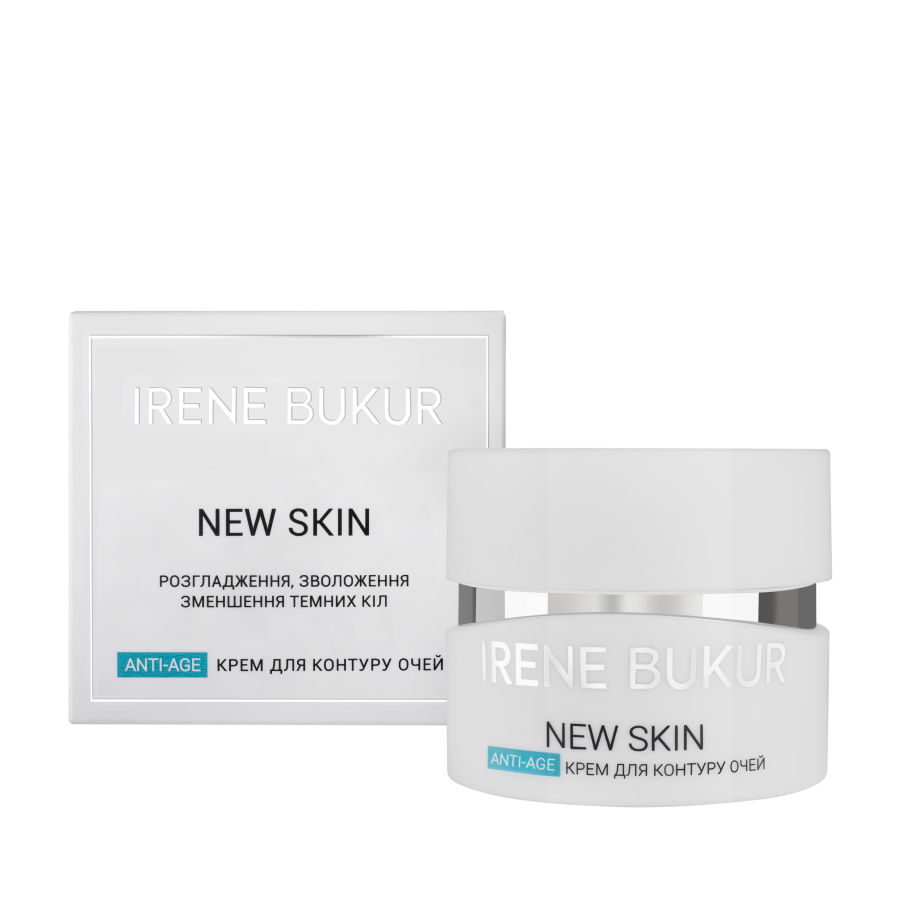
Eye cream "Anti-age", New Skin with bacuchiol
The New Skin series is a deep rejuvenating expert program that activates the " longevity cells&..
36.17£
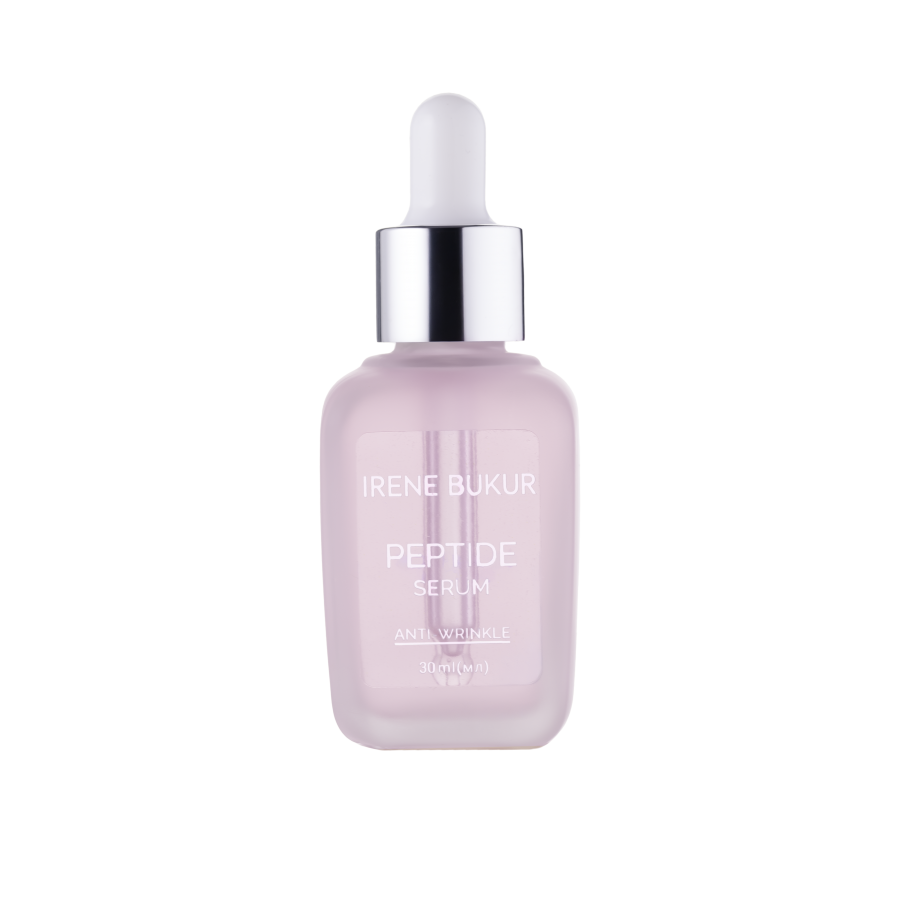
Peptide serum for the face, 30 ml
As a GIFT you get a Set of 3 patches *When you buy serum Peptide serum has been develo..
48.59£
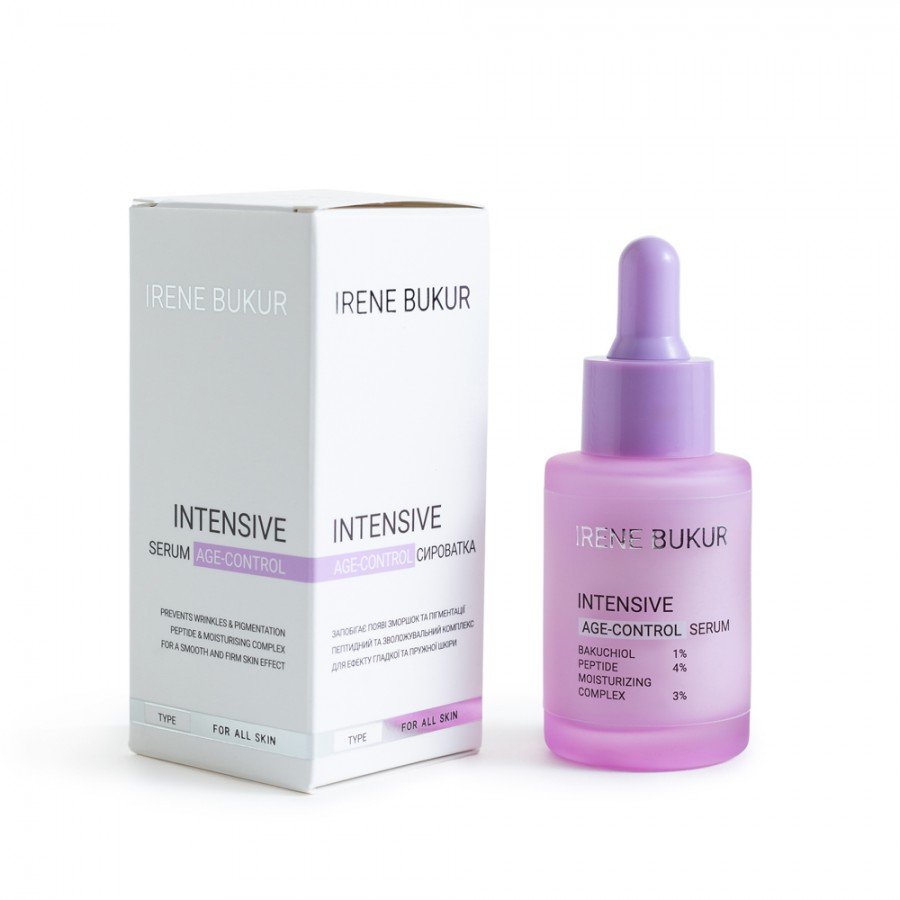
Bacuchiol Face Serum INTENSIVE AGE CONTROL, 30 ml
INTENSIVE AGE CONTROL professional facial serum with bacuchiol is designed for intensive correction ..
56.66£